Television Era of animation....
The television era of animation started to develop at the end of the
first half of the 20th century. Cartoons were largely seen as children’s
entertainment and that continued through the first phases of the
Television era.
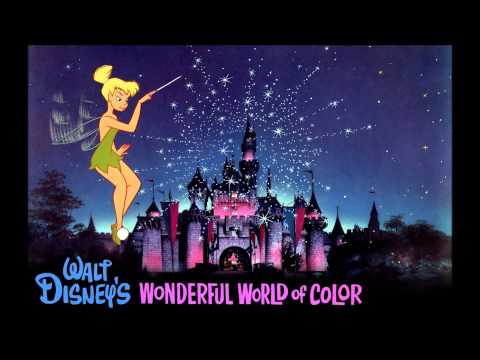
Gradually, TV was becoming more and more popular and drew audiences away from movie theaters as children’s TV shows began including airings of cartoons in their respective schedules. One of the first animations shown on television was Felix the Cat. There were also early experiments in limited animation television cartoons as the animations were tested for appeal in the TV audience. These cartoons were usually about 5 minutes long and often episodic in nature. Crusader Rabbit, created by Alexander Anderson and Jay Ward, was one of the first cartoons produced specifically for TV. Other shows from that period include Colonel Bleep, Gumby – the first clay animated cartoon, The Adventures of Paddy the Pelican, Bucky and Pepito and Tom Terrific. In 1954, Walt Disney decided to give the television medium a try with his own TV weekly animated series Disneyland in order to popularize his new Disneyland theme park and continued with a decades-long series of TV broadcasts of Disney cartoons, which later expanded into the show Walt Disney's Wonderful World of Color.
Hanna-Barbera Productions was the first major animation studio to produce animations expressly for television. At the beginning it found an audience in the evening “family hour” time. Their first animated series were The Ruff and Reddy Show and the first-run syndicated The Huckleberry Hound Show but the first show they became famous for was the half-hour animated prime time sitcom The Flintstones. Other famous prime time cartoons from the studio are The Jetsons, Top Cat and Jonny Quest. They later turned their endeavors towards making Sunday morning cartoons like Scooby-Doo, Where Are You! as that market was prospering.
One of the main problems of animation at the time was the amount of labor it required in order to be produced while network televisions needed more episodes meaning faster production. In order for that to be achieved studios had to apply limited animation techniques. Studios that used limited animation techniques include UPA, Jay Ward, Cambria and Hanna-Barbera. The Filmation studio, on the other hand, relied on heavy use of stock footage, rotoscoping and limited voice casts to avoid limited animation and stay financially capable.
By the 1960s, the idea that cartoons were mostly for children had nestled itself deep into people’s minds, however, in actuality this was not always the case as some controversial attempts were made on animation projects that were definitely not for children. At the time Disney generated some considerable revenue with films like One Hundred and One Dalmatians, the live-action/animated combo Marry Poppins and The Jungle Book. Later, in 1966, the studio brought A.A. Milne's Winnie-the-Pooh characters to the screen in two of four animated featurettes (the second of which, Winnie the Pooh and the Blustery Day, won an Oscar, the last Walt Disney received). Since Walt Disney died at the end of the same year the studio faced a harsh period as some other veteran animators either died or retired which meant they had to be replaced. In 1973, Eric Larson started a program in order to train new animators. After that the studio’s films feature The Aristocrats, Robin Hood, The Fox and the Hound, the featurettes It's Tough to Be a Bird, Winnie the Pooh and Tigger Too!, The Small One and others.
In addition, in 1963 Warner Bros. animation studio was shut down and attempts to revive it with new characters between 1967 and 1969 were futile as everyone remembered and loved the old characters from the Golden Age of animation. After the studio was closed an animator by the name Friz Freleng and his new partner David H. DePatie went on to produce the Pink Panther cartoons during the 1960s and 1970s which were released both on TV and in movie theaters. In 1981, Friz Freleng retired and the DePatie-Freleng Enterprises studio was sold to Marvel Comics.
Another important person of the time – Chuck Jones - teamed up with Les Goldman to create Sib Tower 12 Productions and work with MGM on the Tom and Jerry series on the mid-1960s. He also produced a number of successful animated TV specials like How the Grinch Stole Christmas!. He also produced a live-action/animated film called The Phantom Tollbooth.
In 1968 the music of The Beetles and the artwork of animator George Dunning was combined in the animated film The Yellow Submarine. Also around that time, in 1969, Ralph Bakshi founded Bakshi Productions which aimed to create cartoons different from those in the mainstream animation. A division was founded called Ralph’s Spot which produced animations for commercials like Coca-Cola. He also developed Heavy Traffic – an animated drama film about inner-city street life. Another experimental adult cartoon film was Fritz the Cat which was the first X rated animated film. Since that, a few other attempts were made at independent feature-length animated films in the 1970 like Watership Dawn, Heavy Metal and others. There were also short animated films like The Critic, Bambi meets Godzilla and Lupo the Butcher which were experimental in nature and in some cases aimed at adult audiences. However, the industry at large still continued to dismiss animation as kids’ entertainment.
During the 1980s, Saturday morning cartoons continued to be dominant though other studios chipped away from H-B’s prevalence with shows like Alvin and the Chipmunks, Garfield and Friends, The Real Ghostbusters and others. There were also attempts to adapt prime time series to animation format such as ALF: The Animated Series, It’s Punky Brewster and others. Another peculiarity of the 1980s was the considerable amount of cartoons based on children’s toys which include Teenage Mutant Ninja Turtles, G.I. Joe: A Real American Hero, The Transformers, He-Man and others. Another influence in animation was the importation of some Japanese animation in America like Voltron, Star Blazers, Robotech and others. While these adaptations for American audiences had limited effect on the general industry, they still gained a cult following with their complex storylines and more realistic depiction of violence.
Gradually, TV was becoming more and more popular and drew audiences away from movie theaters as children’s TV shows began including airings of cartoons in their respective schedules. One of the first animations shown on television was Felix the Cat. There were also early experiments in limited animation television cartoons as the animations were tested for appeal in the TV audience. These cartoons were usually about 5 minutes long and often episodic in nature. Crusader Rabbit, created by Alexander Anderson and Jay Ward, was one of the first cartoons produced specifically for TV. Other shows from that period include Colonel Bleep, Gumby – the first clay animated cartoon, The Adventures of Paddy the Pelican, Bucky and Pepito and Tom Terrific. In 1954, Walt Disney decided to give the television medium a try with his own TV weekly animated series Disneyland in order to popularize his new Disneyland theme park and continued with a decades-long series of TV broadcasts of Disney cartoons, which later expanded into the show Walt Disney's Wonderful World of Color.
 |
| Wolrd of Colour |
Hanna-Barbera Productions was the first major animation studio to produce animations expressly for television. At the beginning it found an audience in the evening “family hour” time. Their first animated series were The Ruff and Reddy Show and the first-run syndicated The Huckleberry Hound Show but the first show they became famous for was the half-hour animated prime time sitcom The Flintstones. Other famous prime time cartoons from the studio are The Jetsons, Top Cat and Jonny Quest. They later turned their endeavors towards making Sunday morning cartoons like Scooby-Doo, Where Are You! as that market was prospering.
One of the main problems of animation at the time was the amount of labor it required in order to be produced while network televisions needed more episodes meaning faster production. In order for that to be achieved studios had to apply limited animation techniques. Studios that used limited animation techniques include UPA, Jay Ward, Cambria and Hanna-Barbera. The Filmation studio, on the other hand, relied on heavy use of stock footage, rotoscoping and limited voice casts to avoid limited animation and stay financially capable.
By the 1960s, the idea that cartoons were mostly for children had nestled itself deep into people’s minds, however, in actuality this was not always the case as some controversial attempts were made on animation projects that were definitely not for children. At the time Disney generated some considerable revenue with films like One Hundred and One Dalmatians, the live-action/animated combo Marry Poppins and The Jungle Book. Later, in 1966, the studio brought A.A. Milne's Winnie-the-Pooh characters to the screen in two of four animated featurettes (the second of which, Winnie the Pooh and the Blustery Day, won an Oscar, the last Walt Disney received). Since Walt Disney died at the end of the same year the studio faced a harsh period as some other veteran animators either died or retired which meant they had to be replaced. In 1973, Eric Larson started a program in order to train new animators. After that the studio’s films feature The Aristocrats, Robin Hood, The Fox and the Hound, the featurettes It's Tough to Be a Bird, Winnie the Pooh and Tigger Too!, The Small One and others.
In addition, in 1963 Warner Bros. animation studio was shut down and attempts to revive it with new characters between 1967 and 1969 were futile as everyone remembered and loved the old characters from the Golden Age of animation. After the studio was closed an animator by the name Friz Freleng and his new partner David H. DePatie went on to produce the Pink Panther cartoons during the 1960s and 1970s which were released both on TV and in movie theaters. In 1981, Friz Freleng retired and the DePatie-Freleng Enterprises studio was sold to Marvel Comics.
Another important person of the time – Chuck Jones - teamed up with Les Goldman to create Sib Tower 12 Productions and work with MGM on the Tom and Jerry series on the mid-1960s. He also produced a number of successful animated TV specials like How the Grinch Stole Christmas!. He also produced a live-action/animated film called The Phantom Tollbooth.
In 1968 the music of The Beetles and the artwork of animator George Dunning was combined in the animated film The Yellow Submarine. Also around that time, in 1969, Ralph Bakshi founded Bakshi Productions which aimed to create cartoons different from those in the mainstream animation. A division was founded called Ralph’s Spot which produced animations for commercials like Coca-Cola. He also developed Heavy Traffic – an animated drama film about inner-city street life. Another experimental adult cartoon film was Fritz the Cat which was the first X rated animated film. Since that, a few other attempts were made at independent feature-length animated films in the 1970 like Watership Dawn, Heavy Metal and others. There were also short animated films like The Critic, Bambi meets Godzilla and Lupo the Butcher which were experimental in nature and in some cases aimed at adult audiences. However, the industry at large still continued to dismiss animation as kids’ entertainment.
During the 1980s, Saturday morning cartoons continued to be dominant though other studios chipped away from H-B’s prevalence with shows like Alvin and the Chipmunks, Garfield and Friends, The Real Ghostbusters and others. There were also attempts to adapt prime time series to animation format such as ALF: The Animated Series, It’s Punky Brewster and others. Another peculiarity of the 1980s was the considerable amount of cartoons based on children’s toys which include Teenage Mutant Ninja Turtles, G.I. Joe: A Real American Hero, The Transformers, He-Man and others. Another influence in animation was the importation of some Japanese animation in America like Voltron, Star Blazers, Robotech and others. While these adaptations for American audiences had limited effect on the general industry, they still gained a cult following with their complex storylines and more realistic depiction of violence.
More info on this topic is avaliable on:
http://nikolayslavovcgmaprogress.weebly.com/main-blog/history-of-the-television-era-of-animation

No comments:
Post a Comment